



Great weekend with a tremendous November hike with our dogs at my childhood region, Österlen. We walked two times 17km along the Baltic Sea in great crisp, autumn weather.

We stayed at Vyn, a boutique hotel recently ranked as the 23rd best restaurant in the world.
Chef Daniel Berlin has two GM ⭐️⭐️ – and he is hunting a third. One of the best dinners we have had in many years.
Energy, back. New week here I come.
Carnaval De Luz, the band’s first album of new material in nine years, is out now.

The album is amazing, even better than I expected. They are back. Or really the are here – a partly new sound, and U2 has done what few bands can do revitalzing their music, with a set of outstanding songs meeting the best practice of their best music in the past.

It is not on the level of The Joshua Tree or All That You Can’t Leave Behind, but it is great.
Read the Rolling Stone review of the album: Here
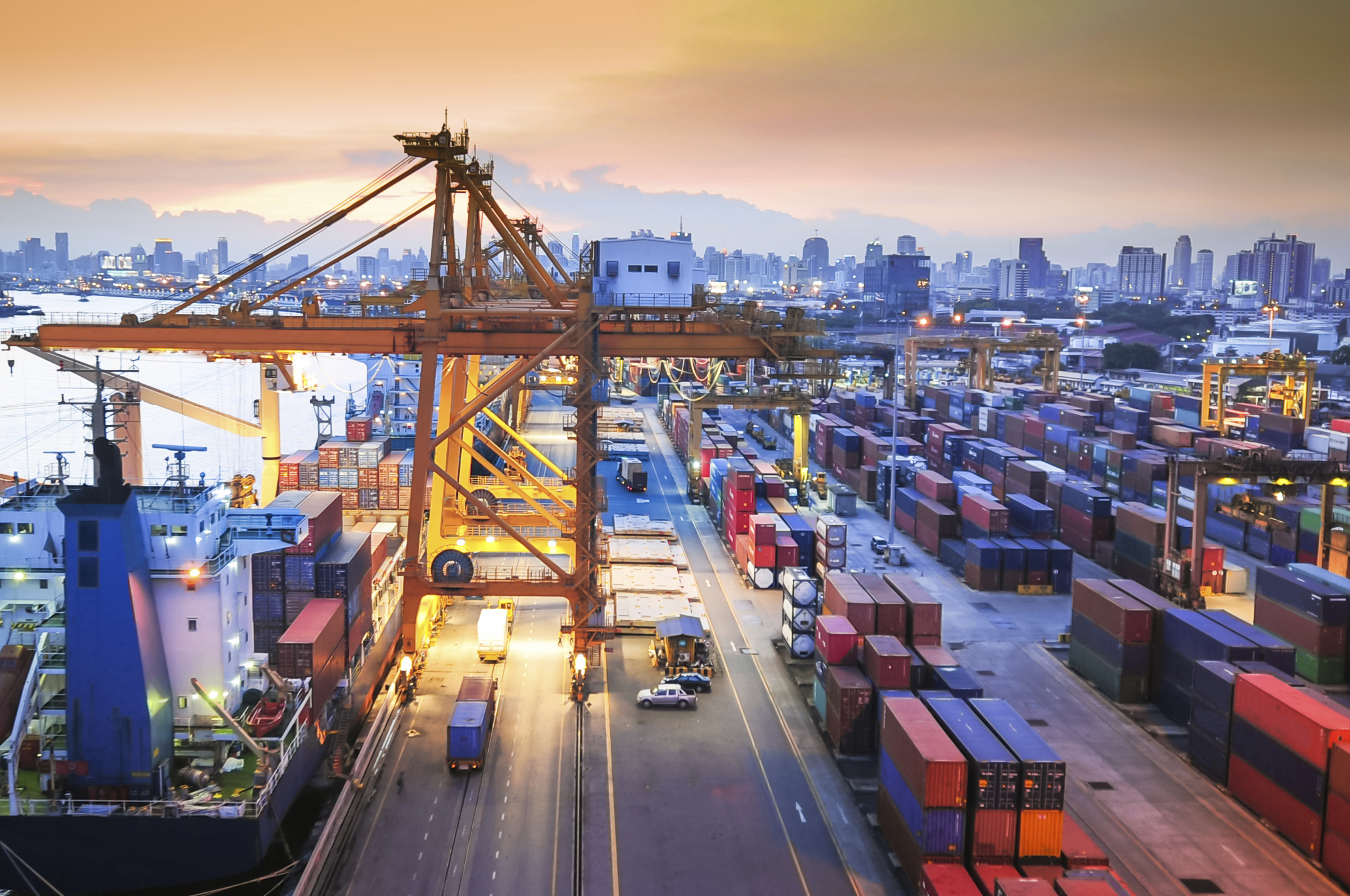
What do we do when the flow of goods is put to the test? Cyber attacks, geopolitical unrest and breakdowns in critical infrastructure.!
The threats to international supply chains are many, and the consequences can quickly be felt when goods have to be transported across borders. But how do we ensure that the flow of goods continues when the unexpected happens? And how do we strengthen the collaboration between authorities and the business community so that we are better equipped when the crisis hits?

This was the topic of a panel debate at the Danish Customs Day arranged by Danish Brokers Associations (@danske speditører)
Customs Conference earlier this week.
It was a please to share the stage with the Danish Customs Director-General, Christian Lützen & Martin Aabak CEO, Danske Speditører.
Resilient supply chains are not created by the individual company or authority alone. It requires collaboration and preparation so that we keep the goods moving even when the world around us is anything but predictable.
You must be logged in to post a comment.